Product Introduction
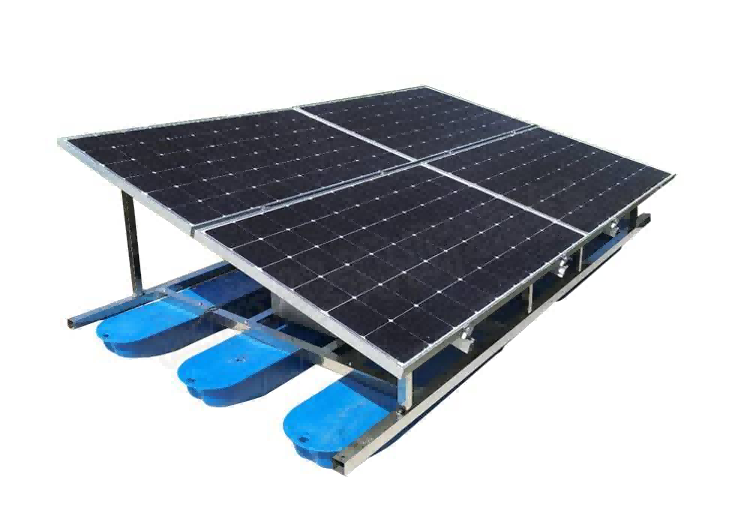
Solar aerator is a water surface aeration and circulation device driven by solar energy, specifically used for the treatment of water bodies with insufficient power supply conditions such as rivers, lakes, and reservoirs. It activates the self purification ability of water bodies by promoting blood circulation and replenishing oxygen through methods such as oxygenation, layering, and pushing flow.
Process Selection
Deepwater lakes/reservoirs (>2m) → prioritize layering to solve the problem of water stratification.
Shallow water channel/landscape water (<2m) → optional fountain or push flow.
Rivers with flow interruption and stagnation problems → Push flow type, creating active water.
Need to balance the aesthetics of the park/community → fountain style.
Aquaculture pond → microbubble type, high oxygenation efficiency.
Equipment Selection
Diagnosis first, selection later: clarify the water depth, water area, pollution level (whether it is black or odorous, severity of algal blooms), and power supply conditions.
Focus on comprehensive value: low-priced equipment may hide high failure rates and short lifespan issues, while high-quality equipment has lower long-term operation and maintenance costs.
Requirement for clear parameters and quality assurance: The supplier is required to provide third-party testing data such as oxygenation capacity, circulation flow rate, coverage radius, and component material specifications.
Consider battery life on rainy days: Choose a battery with sufficient capacity according to local climate conditions (recommended 1-3 days of battery life).




 CN
CN

 National Service Hotline:400-611-6861