Product Introduction
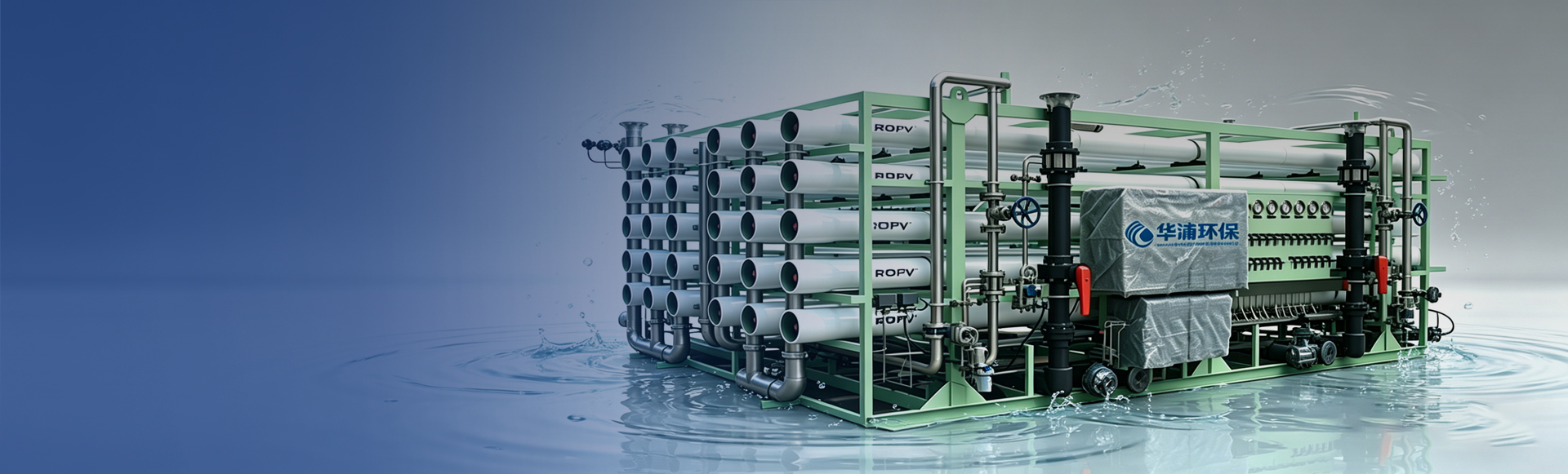
Reclaimed water reuse equipment is an integrated treatment equipment that integrates sewage collection, pretreatment, deep purification, and disinfection. It is used for deep treatment of domestic sewage, industrial wastewater, etc., to remove pollutants such as COD, ammonia nitrogen, total nitrogen, total phosphorus, suspended solids, etc., so that the treated effluent meets the standards for reclaimed water reuse and achieves water resource recycling. The equipment adopts a modular integrated design, which can flexibly configure the process according to the raw water quality and reuse requirements. It has a high degree of automation, stable and reliable operation, small footprint, and easy installation. It can be directly connected to the original sewage treatment system, greatly improving the utilization rate of water resources and reducing the cost of enterprise water use and municipal water supply pressure.
Process Selection
1. Biochemical+filtration+disinfection process: suitable for the reuse of domestic sewage and municipal sewage, such as greening, flushing toilets, and road washing. The process is mature, the operating cost is low, and it can meet the basic reuse requirements.
2. MBBR+UF+disinfection process: suitable for reuse scenarios with high water quality requirements, such as landscape water and industrial circulating water replenishment, with excellent effluent quality and strong impact resistance.
3. Pre treatment+RO+EDI process: Suitable for high standard reuse scenarios, such as boiler feedwater and precision production water, it can achieve deep desalination and achieve pure water level effluent.
4. Anaerobic+Aerobic+Deep Filtration Process: Suitable for the reuse of high concentration industrial wastewater. It first degrades high concentration organic matter and then undergoes deep purification to ensure that the effluent meets the standard for reuse.
Equipment Selection
1. Core process selection: Based on the quality of raw water and the purpose of reuse, select corresponding biochemical, filtration, and desalination processes to ensure that the treatment effect matches the reuse requirements.
2. Core equipment selection: Pre treatment uses grilles, regulating tanks, and sedimentation tanks; UF membrane, RO membrane, and MBBR bioreactor are selected for deep processing; Use ultraviolet and ozone disinfection equipment for disinfection.
3. Material selection: The tank body and pipeline are made of corrosion-resistant materials such as stainless steel, fiberglass, and carbon steel, which are suitable for sewage and reclaimed water environments and extend the service life of the equipment.
4. Scale adaptation: Determine equipment specifications, module quantities, and operating parameters based on processing water volume and reuse demand to ensure that processing capacity matches reuse demand.




 CN
CN


 National Service Hotline:400-611-6861


