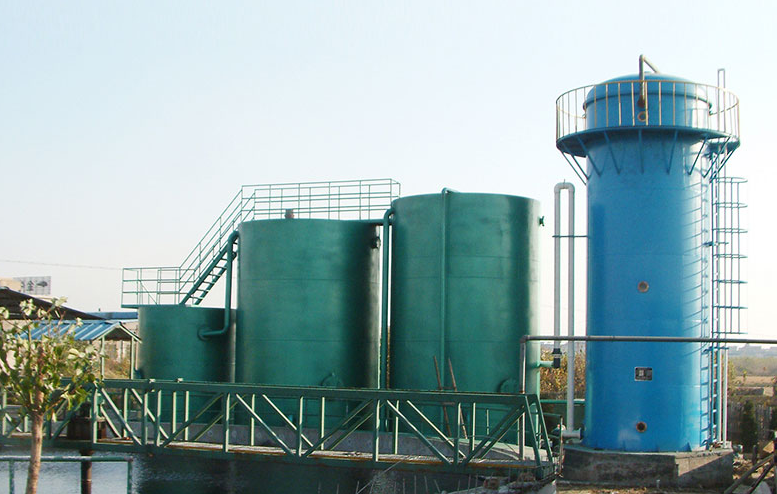
Parameter Description and Selection Points
The processing scale is determined based on the design water volume, and the single tower processing capacity ranges from tens of tons/day to tens of thousands of tons/day. Large scale projects can adopt a combination of multiple towers in parallel or cascade
Effective volume V=Q × t (Q: design flow rate m ³/h, t: residence time h), needs to be calculated based on peak flow rate and reserved with margin
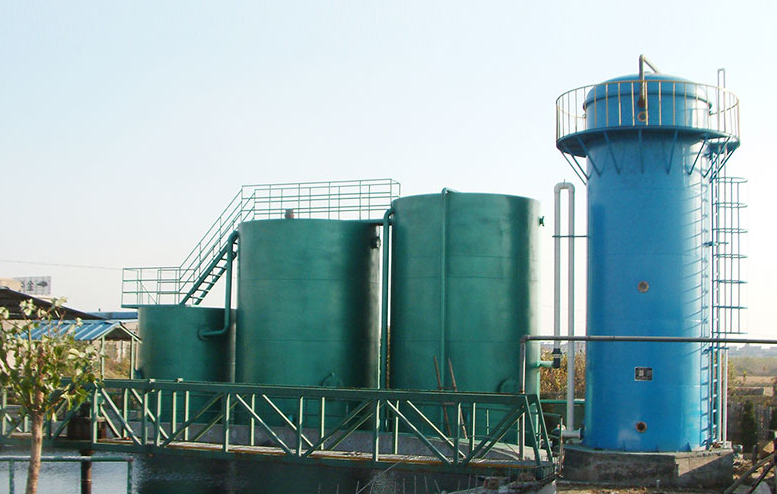
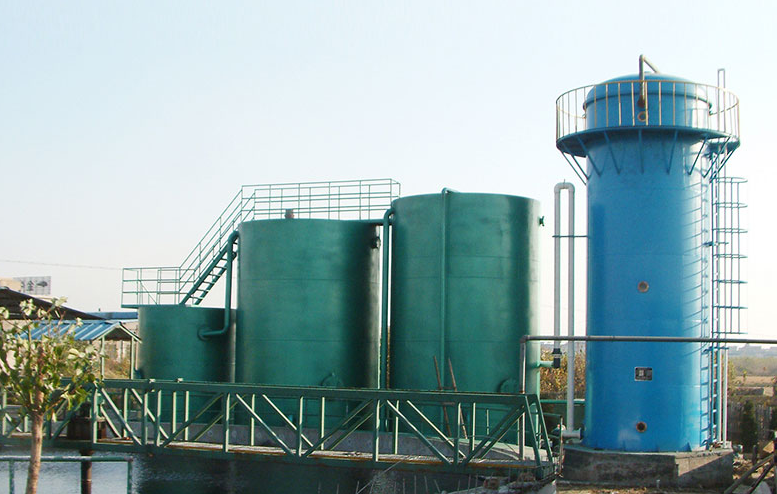
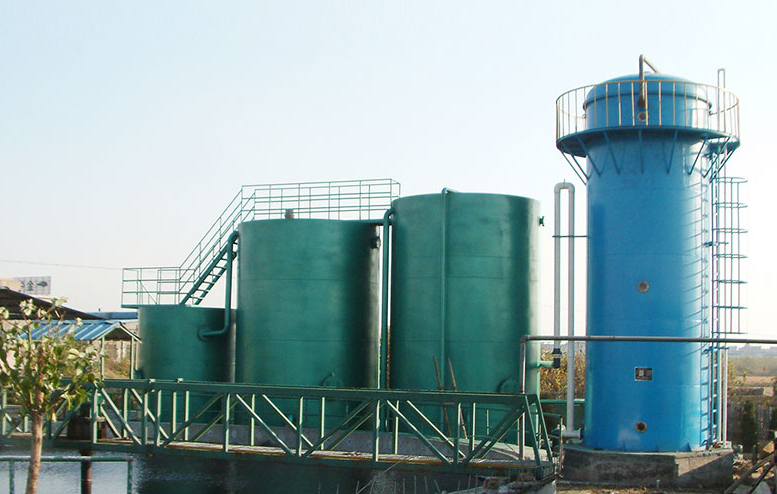
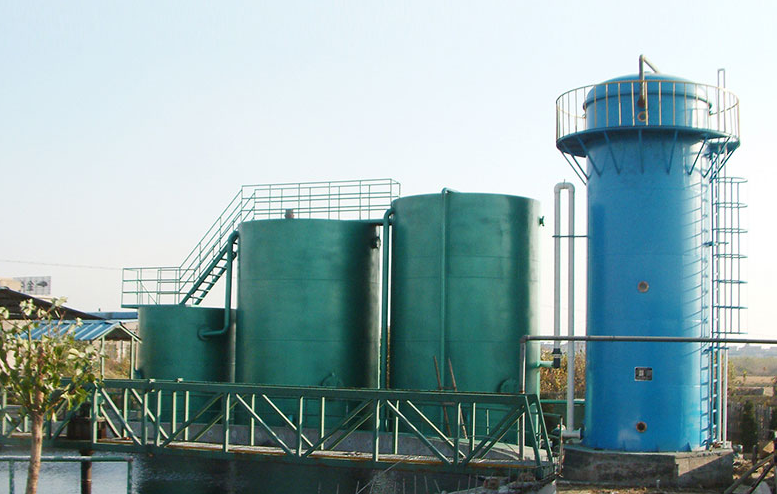
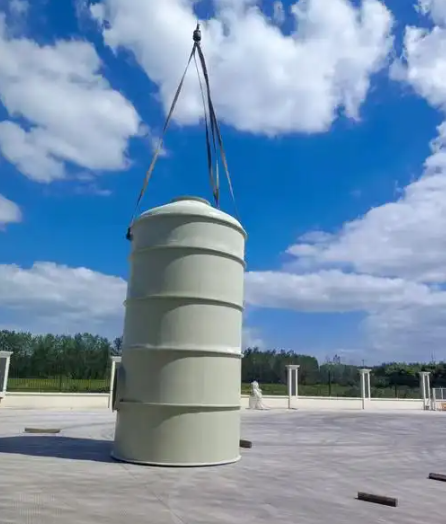
The tower body material is 304/316L stainless steel (corrosion-resistant, suitable for small and medium-sized equipment); Carbon steel lined with adhesive/FRP (large equipment, high cost-effectiveness); Fiberglass reinforced plastic (lightweight and corrosion-resistant, suitable for small and medium-sized applications)
The design of pressure steel pressure towers generally has a pressure resistance of 0.3-0.6MPa
The height to diameter ratio of the tower body should be controlled within 3-5 for fluidized bed type to ensure sufficient fluidization space
The gas distribution system adopts titanium microporous aeration discs or microporous aerators with uniform pore size to ensure efficient mixing of ozone and wastewater. The aerator should have ozone corrosion resistance performance
Catalyst material: Ozone specific catalyst, carrier Al ₂ O ∝/SiO ₂/activated carbon, loaded with multi metal oxides such as Mn Fe Cu. Particle size 2-6mm (fixed bed); Bulk density 0.8-1.0g/cm ³
The catalyst filling amount for a fixed bed is estimated to be 40% to 70% of the effective volume of the tower body; Add 20% to 30% of the effective volume of the reaction zone to the fluidized bed
The configuration of the ozone generator calculates the required ozone production based on the amount of ozone added. The general oxygen supply source has an ozone concentration of ≥ 120mg/L. The supporting equipment includes an oxygen generator, an internal circulation cooling water system, and an ozone dosing system
The automatic control system is controlled by PLC and equipped with instruments for online monitoring of ozone concentration, detection of exhaust ozone concentration, pH/flow/dissolved oxygen in and out of water, etc. Remote monitoring and communication via RS485
To prevent catalyst blockage, the backwash system should be equipped with a gas water combined backwash system. Air wash intensity 15-20L/(m ² · s), water wash intensity 10-15 L/(m ² · s), backwash cycle pressure difference or time control
Supporting equipment includes liquid oxygen storage tanks or oxygen generators, ozone generators, exhaust gas disruptors, backwash water pumps, stabilization tanks (when connected to biochemical/membrane treatment), and various instrument valves
Installation method: The vertical steel tower is fixed to the concrete foundation with anchor bolts, and the concrete pool type is constructed according to the requirements of civil engineering design. Equipment basic levelness error ≤ 2mm/m
Perform backwashing every 72 hours for daily maintenance; Monthly testing of catalyst activity; Evaluate system performance quarterly; The general service life of catalysts is 3-5 years (high-quality catalysts>8000h)
Ozone leakage alarm devices must be equipped in the safety protection ozone room, and the ozone concentration in the workplace air should be below 0.1ppm. Install safety valves and exhaust gas collection systems at the top of the tower to prevent positive pressure overload




 CN
CN


 National Service Hotline:400-611-6861