1. Safety and stability: ① Adopt special sensors for displaying liquid level, temperature, pressure, and other parameters that do not cause stagnant water pollution; ② Regularly clean storage tanks; ③ Immersed ultraviolet sterilization; ④ Use heat source filters and precision filters to filter microorganisms and turbidity from water.
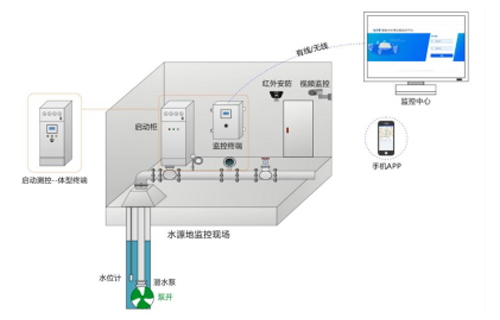
2. Intelligent control: ① PLC-based fully automatic operation, automatic cleaning system, etc.; ② Alarm functions for operational failures, high and low pressure, water tank shortage, conductivity exceeding standards, etc.; ③ Real-time display of equipment process flow, conductivity, pH value, liquid level, flow rate, and flow velocity on the human-machine interface; ④ APP remote control, allowing multiple controls from one device, saving manpower.
3. Sterile conveying: ① Utilizing high-quality low-carbon stainless steel 316L and 304SS materials, equipped with sanitary valves without dead spaces; ② Removable pipelines and stainless steel conveying pumps that can be periodically cleaned, disinfected, and sterilized; ③ Under direct supply mode, the flow velocity of each pipeline shall not be less than 0.8 m/s; ④ Elbow pipes with large circulation are equipped with a scheduled disinfection and sterilization system.
4. Sealed storage: ① sterile materials; curved large circulation pipeline for conveyance, ensuring no dead ends and avoiding blind pipes; ② installing hydrophobic sterilization filters, air respirators, etc. at the ventilation port.
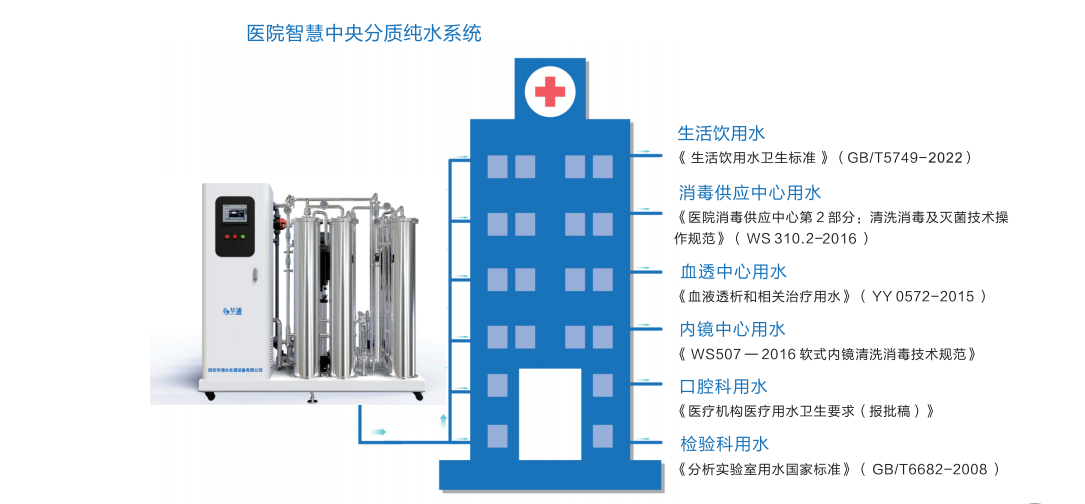
5. Smart Water Supply: ① Graded Water Production and Quality-Based Water Supply; ② 24-hour Standby System (One for Operation and One for Standby); ③ Three-Level Control and Safety Guarantee; ④ Remote Monitoring and Unattended Operation.
6. Monitoring recording: ① Real-time online monitoring of water quality; ② Equipped with a paperless printer for instant printing of operational data.




 CN
CN

 National Service Hotline:400-611-6861