Product Introduction
1.The online dissolved oxygen meter can monitor the dissolved oxygen data of the aerobic pool in real time and automatically adjust the start, stop and frequency of the fan to realize accurate oxygen supply and energy conservation and consumption reduction.
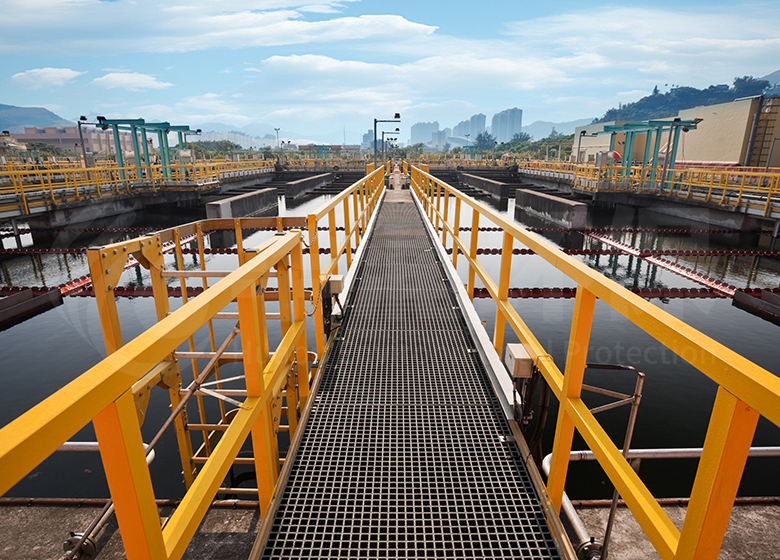
2.The aeration system of sewage treatment plant consumes huge energy, accounting for 50% - 70%, which is the key link of energy conservation and consumption reduction. Aiming at the characteristics of "non-linear and large delay" in the sewage treatment process, our company introduces the accurate aeration system, and realizes "demand-based oxygen supply" through the "feedforward - feedback" closed-loop control strategy. The system collects influent flow and water quality data in real time as feedforward signals, and monitors process parameters such as DO of biological pond for feedback regulation, which not only stably improves effluent quality, but also effectively achieves energy conservation and consumption reduction.
Process Selection
1. DO constant+ammonia nitrogen feedback linkage process: suitable for municipal wastewater and conventional industrial wastewater treatment, dynamically adjusting dissolved oxygen settings, balancing nitrification and denitrification environments, and ensuring denitrification efficiency.
2. Zone specific precise aeration process: suitable for large biochemical tanks and multi zone treatment scenarios, based on the differences in water quality parameters between zones, the aeration amount is accurately allocated to avoid aeration conflicts between zones and improve overall treatment efficiency.
3. Intelligent linkage deep processing technology: It is linked with MBR, high-efficiency filtration and other processes to dynamically adjust aeration parameters according to the backend effluent demand, helping the effluent meet the standard for reuse and adapting to high standard discharge scenarios.
4. Emergency aeration process: applicable to sudden changes in water quality load, rainstorm and other emergencies, quickly start the standby aeration unit, automatically adjust the aeration intensity, ensure the stability of the biochemical system, and avoid water quality deterioration.
Equipment Selection
1. Selection of core aeration equipment: The blower should be magnetic levitation, air suspension or multi-stage centrifugal fan, with automatic air volume adjustment function. The air volume adjustment range of a single fan should not be less than 40% -100%; The aerator should be selected based on the tank type and oxygenation requirements, using microporous aerators and cyclone aerators.
2. Selection of monitoring and control equipment: equipped with dissolved oxygen sensors, sludge concentration meters, flow monitors, temperature sensors, etc., combined with PLC intelligent control cabinets and AI control modules, supporting data collection, algorithm analysis, and remote control.
3. Material selection: The aeration pipeline and aerator are made of anti-corrosion materials (stainless steel, fiberglass), which are suitable for the acidic and alkaline environment of sewage, reduce corrosion losses, and extend the service life of the equipment.
4. Scale adaptation selection: Determine the power of the blower, the number of aerators, and the distribution method based on the volume of the biochemical tank, the amount of treated water, and the influent COD/ammonia nitrogen concentration, to ensure that the oxygenation efficiency meets the process requirements.
5. Selection of auxiliary equipment: Equipped with air volume regulating valve, gas flow meter, and medication washing device, optional remote operation and maintenance terminal can be provided to achieve real-time monitoring of equipment status and fault diagnosis.




 CN
CN

 National Service Hotline:400-611-6861